
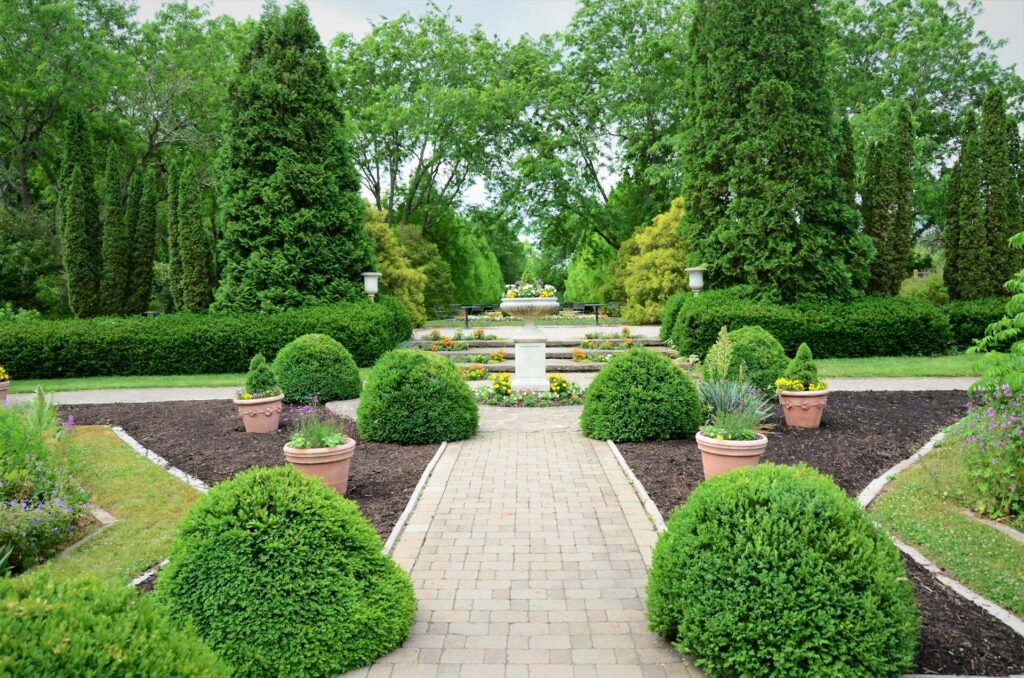
Different neighborhoods in Greater New Orleans each bring their own set of landscaping needs. From lot sizes to drainage patterns, it’s clear that not all lawns are built the same. That’s especially true when comparing places like Metairie and the Garden District. These two areas sit in the same region but call for different landscaping choices based on layout, soil conditions, and overall lifestyles.
We’ve worked on plenty of yards in both places, and one thing stands out. Good planning really matters, especially with landscape design in Metairie where space is more open and function takes a front seat. We design custom Louisiana-native landscapes for historic neighborhoods like the Garden District as well as for Metairie properties with broader, more open yard layouts. Knowing what makes each neighborhood unique is the first step to creating outdoor spaces that look great and work well through the seasons.
Choosing Plants That Work for Each Neighborhood
The plants that thrive in Metairie won’t always do as well in the Garden District, and the reverse is true too. This is mostly because the two areas deal with very different yard sizes, sun exposure, and drainage challenges.
In Metairie, yards tend to be larger with more direct sunlight. That opens up the options for full-sun plants like crape myrtles or lantana. These plants love wide-open spaces and room to spread. The Garden District is full of older lots with narrow walkways, tall fences, and larger trees that cast shade. Here, shade-loving plants like azaleas or ferns tend to do better.
Humidity levels are fairly consistent between the two areas, but drainage can be tricky. Some streets in Metairie hold water longer after storms, so plants with shallow roots or poor flood tolerance won’t last long. In the Garden District, older brick edges and fences might limit where and how water flows, so planters or raised beds often help protect more delicate plants.
Local native species tend to perform well in either area, but picking ones that fit the amount of sun, slope of the yard, and spacing really makes a difference. What works along one street might fail just a few blocks away if conditions change.
Design Style and Yard Layout
Yard layout plays a big role when it comes to what kind of outdoor space works best. In Metairie, homes often sit on wider lots with front and back yards that give more room to breathe. That kind of space invites setups like open lawns, outdoor kitchens, or kids’ play areas. Homeowners here usually want a balance between looks and function. A neat layout that makes room for pets or simple entertaining tends to be high on the priority list.
The Garden District tells a different story. Many homes here are older with lot lines that were drawn a century ago. Yards are often smaller and more private, tucked between fences or brick walls with large overhanging trees. Instead of open grass areas, these spaces usually lean toward structured gardens, curved paths, or shaded courtyards. The influence of the neighborhood’s historic character also adds a layer of design that has to be respected.
That contrast matters when planning new features. A patio design that flows well in Metairie may feel out of place in the Garden District where the charm is rooted in detail and shade. Matching the structure of the house and the flow of the lot helps guide smart choices either way. Our projects in both areas often combine lawn spaces, planting beds, and hardscaping so that walkways, patios, and plant groupings feel tied into the home instead of competing with it.
Climate Pressures and Drainage Differences
Both neighborhoods are used to Louisiana’s rain, humidity, and heat. Still, the way yards handle that weather isn’t always the same.
In Metairie, yards are more likely to be flat or even slightly sunken. That can create drainage challenges that turn lawns squishy in spring or after a heavy storm. Adding gravel pathways or planting water-loving grasses in those low areas can help, but it requires planning. We’ve seen some yards struggle simply because topsoil was laid down too fast without contouring.
The Garden District tends to sit on slightly higher ground, which drains more quickly. That’s a plus, but the age of the homes means drainage paths may be blocked by bricks, flower beds, or old tree roots. Water sometimes backs up in spots where the original layout didn’t plan for runoff. Leaf build-up in corners doesn’t help either.
When dealing with this kind of weather, planning ahead matters. Spring storms roll through often, and summer brings its own heat stress. To prepare for both, we look for ways to protect the soil and keep water moving. That usually includes:
- Using organic mulch around tree roots and shrubs to hold moisture and reduce runoff
- Choosing strong ground cover that fills space quickly and holds dirt in place
- Keeping grading lines clear, especially near fences, to prevent pooling
Each yard responds differently, but these small steps early in the season often save bigger problems later.
Maintenance Needs and Long-Term Care
A big part of choosing the right landscaping setup is thinking about how much upkeep it’s going to need.
Metairie’s larger lots usually call for more frequent mowing and edging. Open yards can grow quickly in early spring as temperatures warm up, and with more sun exposure, weeds like to sneak in along property lines. But those open layouts make it easier to use standard tools and work in good weather.
In the Garden District, shade-loving vines and ground cover can help fill in spaces, but they also need trimming to stay clean. Tall trees drop leaves year-round, which means more sweeping in driveways and pruning close to paths or walls. Older brick and iron features add beauty, but you can’t rush through maintenance without a little care. The effort can be slower, especially in tight corners.
Differences in tree coverage also matter. In Metairie, you’ll find more open canopies and planned tree placement, while the Garden District’s older trees sometimes tower overhead, shading entire blocks. That affects how and when you prune, how often you mulch, and even how lawn grass behaves through the year.
Yard shape, tree age, and sunlight all play a part in how your landscape will age. Planning with that in mind helps make design choices that hold up over time without causing frustration. Because we provide ongoing lawn maintenance, seasonal plantings, and tree and shrub trimming across Greater New Orleans, we tailor long-term care plans so Metairie and Garden District properties both stay healthy and manageable.
A Yard That Works for Where You Live
Whether it’s a shaded side garden in the Garden District or an open backyard setup in Metairie, the success of a yard starts with knowing how that space works with the neighborhood around it. Some areas call for strength in drainage. Others require thinking carefully about limited space or working around tall trees that were planted decades ago.
Matching the layout, plant choice, and design style to your surroundings is not just about looks. It can make maintenance easier and keep your yard in better shape across the seasons. When each part works with what’s already there, such as sunlight, soil, and slope, it’s more likely to last, grow strong, and stay healthy year after year.
Every neighborhood has its own landscaping personality, and your yard should reflect the strengths of where you live. Whether you’re managing a large sunny lawn in Metairie or crafting cozy pathways in the Garden District, the right design choices make all the difference. At Couvillion’s Landscaping, our team specializes in thoughtful landscape design in Metairie that aligns with your home’s structure and environment. Let us help you transform your outdoor space into something that thrives year-round.