
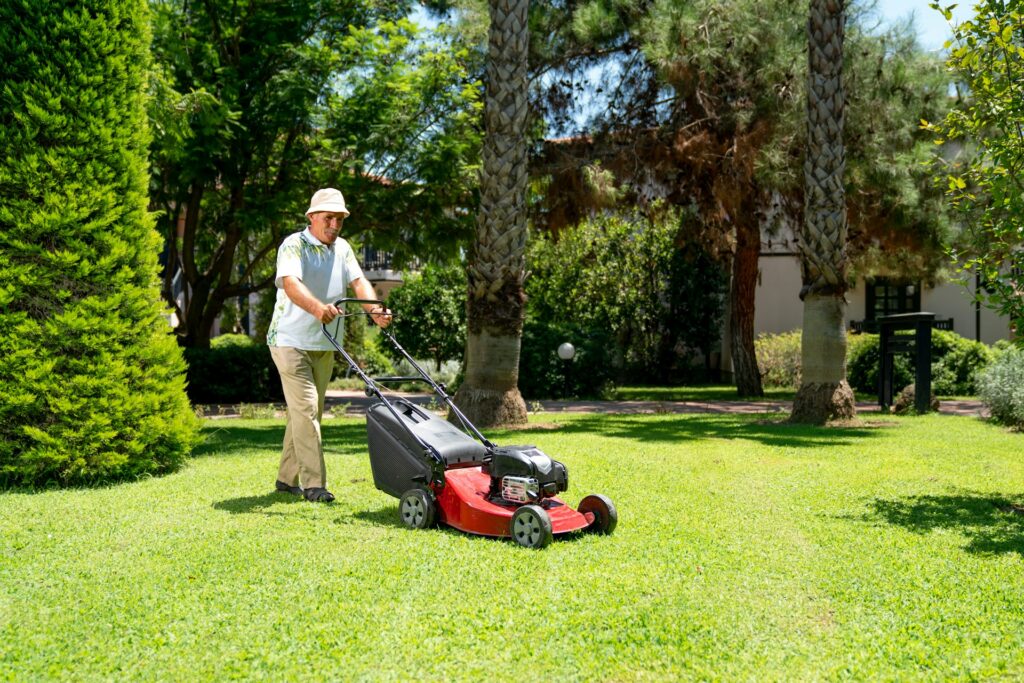
By late March, the look and feel of lawns across New Orleans start changing fast. The colder months are behind us, and now the sun feels warmer, the rain is more regular, and the grass wakes up quicker than most expect. It isn’t long before your yard, quiet for months, is full of growing blades, stray weeds, and uneven patches. That early surge in growth is exactly why timing matters.
When it comes to lawn mowing, many people wait until their yard looks overgrown before plugging in the mower. But delay can cause more stress for your grass than skipping a watering. Deciding when and how often to mow shapes the entire season ahead. It’s not just about having a tidy lawn. It’s about giving grass the right rhythm so it grows stronger, not just taller.
What Happens to Grass as Spring Begins in New Orleans
Early spring in New Orleans moves quick. We get warmer days, softer rain, and longer daylight hours all within a few weeks. That shift kicks dormant grass back into growth, often before we’ve had a chance to check on the yard. Add in patches of weed seeds waiting for the right moment, and things can change fast.
As sunlight sticks around longer, areas that looked flat or brown suddenly spring up unevenly. The grass doesn’t always grow back the same all over, especially if there were wet spots, shadowed corners, or compacted soil from winter. And while it might feel smart to let things grow out before cutting, skipping early care can work against you. Areas that grow too thick too quickly may smother themselves or crowd out healthier patches. Other spots stay thin or patchy. That uneven surface makes future mowing harder and encourages weeds to move in where grass is slow to return.
Getting ahead of these early patterns helps set a strong routine. It’s easier to correct uneven growth, spot problem areas, and block weeds with regular checks and the right mowing plan. By observing your yard through the start of spring, you begin to understand its needs, adjusting early actions to make a bigger difference as the season progresses.
Why Consistency Is Key in Lawn Mowing
One of the easiest missteps in lawn care is cutting too short or going too long between trims. When those first few warm days hit, it’s tempting to give the yard a close cut and think it’s good for a while. But short mowing during early growth is more harmful than helpful.
Grass that’s cut too tight can lose its ability to shade the soil. That makes it easier for sunlight to reach buried weed seeds. It also dries out faster after rain, which weakens the roots below. And going too long between mows adds a new problem. If grass gets too tall, blades bend or fold, and bigger shifts in the surface make the yard more uneven over time later in the season.
That’s why timing matters more than most people realize. When mowing happens on a steady schedule, the yard holds its shape, and root growth stays strong. Thick, level growth gives weeds less space to move in and helps reduce stress when the weather heats up later. A regular routine doesn’t mean mowing every few days. It just means choosing a rhythm and sticking to it. Over time, this helps the grass adjust to seasonal changes without becoming patchy or thin.
The Right Way to Start Your Spring Mowing Schedule
Before jumping into weekly mowing, it’s worth looking over your yard closely. Each lawn wakes up a little different, depending on where it’s located, how shaded it was, and what winter weather brought. In most parts of New Orleans, the right time for the first cut tends to hit in late March or early April, once the grass is growing evenly and no longer appears dormant.
Here are a few helpful steps we recommend before starting your spring mowing routine:
1. Wait until the grass is showing clear, even growth in most areas
2. Make sure your mower blades are clean and properly sharpened
3. Try not to take off more than one-third of the grass height during a single mow
4. Leave grass clippings on the lawn if they’re short enough; they help feed the roots
This early mow sets the tone for what comes next. When done correctly, it encourages the lawn to fill in rather than stretch up, and it keeps the surface even enough that future mowing feels easier. Skipping that first well-timed trim often makes the next few weeks feel overwhelming. Taking a little extra time to notice color, thickness, and how the grass bounces back after rain can help perfect the approach, making each cut more effective.
How Timing Affects Lawn Health Later in the Season
April is the ideal window for setting a dependable rhythm. It’s warm enough that growth is steady, but not yet so hot and steamy that grass is stressed. After mowing once or twice, you’ll start to recognize how quickly your specific lawn grows and what kind of timing works best.
If mowing stays on schedule now, the yard becomes better prepared for the stronger heat of May and June. Grass that’s used to regular trimming develops deeper roots and denser growth. That kind of grass handles foot traffic better, keeps weeds out, and stays green longer between rains.
Skipping or randomly pushing back mowing dates does more than make the lawn look spotty. It affects how the lawn reacts to heat, how moisture moves through the soil, and how likely it is to bounce back after storms.
Steady habits in April often reduce the need for big fixes like reseeding or weed treatments later in the season. Giving your lawn a stable pattern now builds a cleaner, lower-stress experience when the New Orleans summer gets going. When you lay the groundwork in spring, the grass’s response to summer shifts becomes much easier to manage, taking one more stress off your plate during the hottest months.
A Healthy Lawn Starts with a Simple Routine
A good-looking lawn doesn’t just happen by chance. The things we do early in the season, when the weather shifts and the grass starts returning, shape everything that follows. All it takes is a clear plan and a little consistency.
When we choose to mow at the right time and pace our cuts instead of rushing or delaying them, we put the lawn in a much better position to thrive. Healthy grass is less likely to invite weeds, dries out more slowly in warm weather, and stands up better to foot traffic.
Setting that simple routine now makes the rest of the season smoother. And as the days get longer and the air warms up, it feels good to know the lawn is off to a strong, steady start.
Ready to put your mowing routine to work for a greener spring? Couvillion’s Landscaping offers guidance and services to support a healthier lawn from the start. If you want a thriving yard that’s easier to maintain all season long, let our team help you establish a consistent rhythm. Explore how lawn mowing done right can make all the difference.